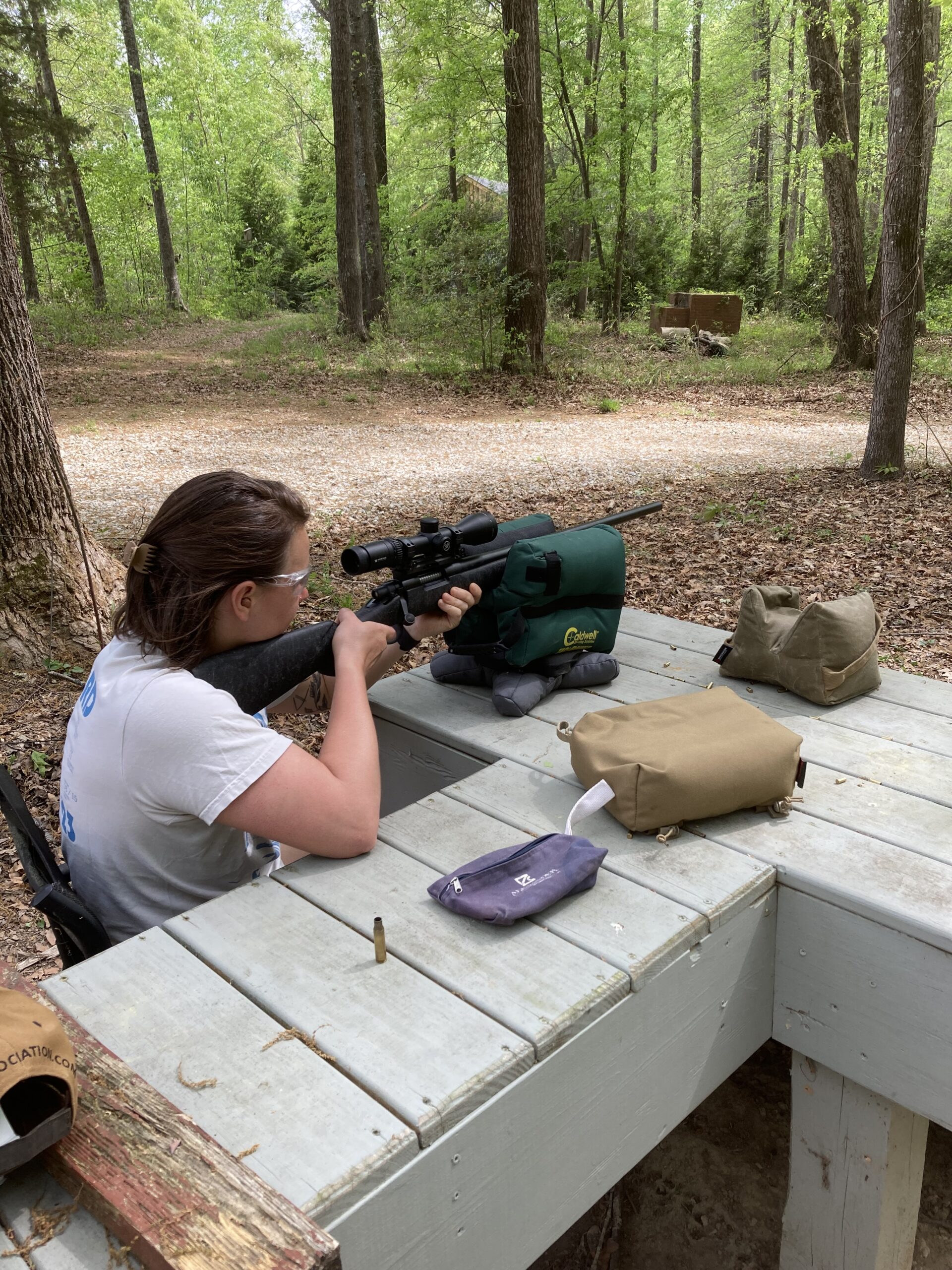
The countdown to deer season is officially on, and right now—weeks before opening day—is the perfect time to sight in your firearm or archery equipment. Too many hunters wait until the last minute, only to discover loose screws, shifting sights, worn strings, or a rifle that suddenly groups three inches left. Starting early gives you time to diagnose issues, make adjustments, and build confidence long before you step into the woods.
This post walks you through why early sight‑in matters, how to do it correctly, and specific methods for both firearms and archery setups.
Why Sight In Early?
Sighting in isn’t just about hitting a bullseye. It’s about eliminating variables.
- Temperature and humidity change—and both affect point of impact.
- Optics shift from bumps, travel, or storage.
- Strings stretch, cams settle, and rests loosen.
- Ammo lots vary, even within the same brand.
- Your form improves with repetition, and your confidence grows.
By sighting in now, you give yourself time to fix problems instead of discovering them the morning of your hunt.
Firearm Sight‑In: Step-by-Step
1. Start With a Solid Setup
Before you fire a single round:
- Check all screws on your scope mounts and rings.
- Inspect your stock for cracks or loose bedding.
- Clean your barrel thoroughly.
- Use the same ammo you plan to hunt with—changing brands later will change your zero.
Set your rifle on a stable rest or sandbags. Consistency is everything.
2. Bore Sight First
Bore sighting gets you “on paper” before you start burning ammo.
For bolt-action rifles: Remove the bolt, look down the barrel at a target 25 yards away, center the target in the bore, then adjust your scope until the crosshairs match what you see through the barrel.
For semi-autos or enclosed actions: Use a laser bore sighter. It’s fast, inexpensive, and saves time.
3. Zero at 25 Yards
Fire a three-shot group at 25 yards. Don’t chase single shots—groups tell the truth.
Adjust your scope until your group is centered. This ensures your rifle is aligned enough to move back to longer distances.
4. Move to 100 Yards
Most hunters sight in at 100 yards because:
- It’s a standard baseline
- It gives predictable ballistic performance
- It’s easy to confirm in the field
Fire another three-shot group. Adjust windage and elevation in small increments. Repeat until your group is tight and centered.
5. Confirm at Extended Distances
If you hunt fields or open hardwoods, confirm at:
- 150 yards
- 200 yards
You’re not trying to re-zero—just verify your drop and wind drift.
6. Record Your Data
Write down:
- Ammo brand and grain
- Zero distance
- Drop at 150 and 200 yards
- Scope magnification used
- Temperature and conditions
This becomes your personal ballistic cheat sheet for the season.
Archery Sight‑In: Step-by-Step
Archery equipment requires even more precision because you’re shooting at much shorter distances—and deer react to noise and movement.
1. Inspect Everything First
Before sighting in:
- Check limb pockets and cam timing
- Inspect your string and cables for wear
- Ensure your rest is level and secure
- Confirm your peep sight is aligned
- Check broadhead flight (later in the process)
If anything looks questionable, fix it now—not in September.
2. Start at 10 Yards
Stand close to the target and shoot three arrows. Your goal is simply to get arrows hitting the target safely and consistently.
Adjust your top pin until your group is centered.
3. Move to 20 Yards
This is the primary hunting distance for most archers.
Shoot a three-arrow group:
- If arrows hit left or right, adjust your sight housing horizontally.
- If arrows hit high or low, adjust your 20-yard pin vertically.
Repeat until your group is tight and centered.
4. Set Additional Pins
For multi-pin sights:
- Sight your 30-yard pin next
- Then 40 yards, if you shoot that far
- Always adjust one pin at a time
For single-pin sliders:
- Sight in at 20 yards
- Then use your sight tape system to calibrate distances out to 60 yards
5. Broadhead Confirmation
Broadheads often fly differently than field points.
Shoot:
- Three field points
- Three broadheads
If broadheads group differently, you may need:
- Minor rest adjustments
- Slight tuning
- Broadhead replacement
- Arrow spine evaluation
Do this now—broadhead tuning takes time.
6. Practice Realistic Hunting Shots
Once sighted in:
- Shoot from a tree stand
- Shoot from a ground blind
- Shoot sitting, kneeling, and at odd angles
- Shoot with your hunting clothes on
Your sight picture changes when you’re bundled up, elevated, or shooting through a blind window.
Final Thoughts
Sighting in early is one of the simplest ways to increase your success this season. It removes guesswork, builds confidence, and ensures your equipment performs exactly how you expect when the moment of truth arrives.
Whether you’re shooting a rifle, muzzleloader, crossbow, or compound bow, start now. Take your time. Shoot groups, not single arrows or bullets. Make adjustments slowly and deliberately. And finish with realistic practice that mirrors your hunting setup.
A well-sighted weapon doesn’t guarantee a filled tag—but it absolutely gives you the confidence and precision you need when a deer finally steps into range.


