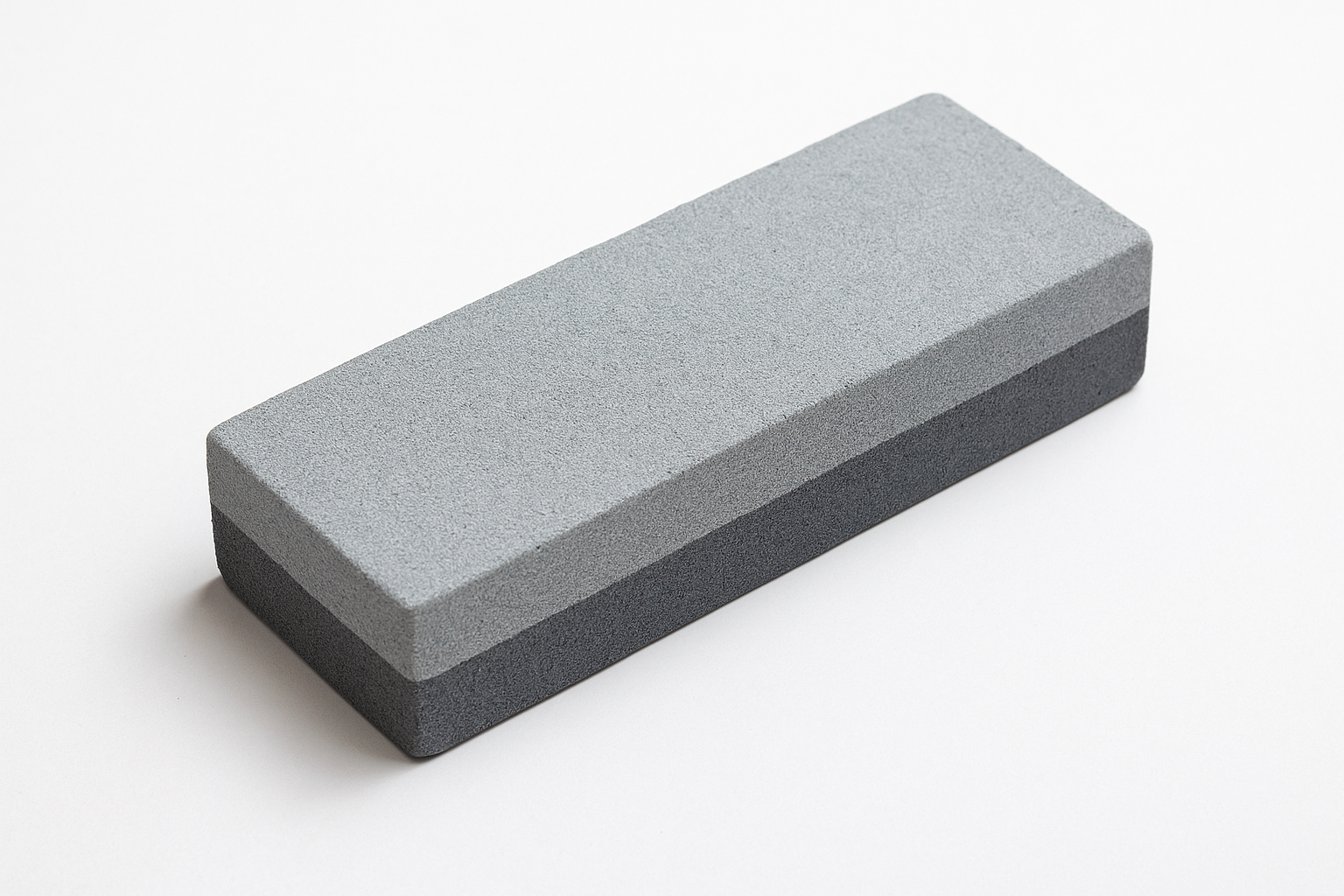
When it comes to deer hunting, few things are more frustrating—or more dangerous—than trying to field dress a deer with a dull knife. Sharp knives make cleaner cuts, reduce the risk of injury, and help protect your harvested meat from unnecessary damage or contamination. Before heading into the woods, it’s worth taking the time to sharpen your blades and understand the tools you’ll need for the job.
In this blog, we’ll cover:
- Why sharp knives matter for field dressing
- Different types of hunting knives and their purposes
- How to sharpen your knives properly
- Maintenance tips to keep your blades field-ready
🦌 Why Sharp Knives Are Essential for Field Dressing
A sharp knife slices cleanly through hide, muscle, and connective tissue, allowing for efficient, humane, and sanitary field dressing. A dull blade tears rather than cuts, increasing the likelihood of slipping—leading to injuries—or puncturing organs like the stomach or bladder, which can spoil the meat.
Field dressing a deer involves precision, patience, and the right gear. And at the core of that gear: sharp, purpose-built knives.
🔪 Types of Knives for Field Dressing a Deer
Depending on how detailed your field processing is, you may use one or several of these knives:
1. Drop Point Knife
Use: All-around field dressing
Features: Curved belly, thick spine, minimal point
Why it’s great: The curved blade allows better control and fewer accidental punctures.
2. Clip Point Knife
Use: Precision cuts, light skinning
Features: Narrow point, concave clip on spine
Why it’s great: Good for fine cuts but more likely to puncture organs due to the sharper tip.
3. Skinning Knife
Use: Efficient skin removal
Features: Sweeping, wide blade
Why it’s great: Designed to separate hide from meat cleanly with minimal effort.
4. Gutting Knife (Gut Hook Knife)
Use: Opening the abdomen without puncturing organs
Features: Hooked tip with sharpened inner edge
Why it’s great: The hook makes a clean, safe unzip along the belly.
5. Boning Knife
Use: Removing meat from bone
Features: Narrow, flexible blade
Why it’s great: Allows precise trimming around bone and joints.
6. Caping Knife
Use: Skinning around delicate areas like the head and face
Features: Small, razor-sharp blade
Why it’s great: Ideal for taxidermy and detailed work.
🛠️ How to Sharpen Your Hunting Knives
You don’t need fancy gear to get a razor-sharp edge, but technique matters. Here’s how to do it right:
🔷 Using a Whetstone (Sharpening Stone)
- Soak the stone (if it’s water-based).
- Hold the knife at a 15–20° angle.
- Draw the blade across the stone in smooth strokes, maintaining consistent pressure.
- Alternate sides to keep the edge centered.
- Finish with a fine-grit stone or strop for a polished edge.
🔷 Pull-Through Sharpeners
- Quick and convenient, especially in the field.
- Usually have coarse and fine stages.
- Ideal for a quick touch-up but can remove more steel than necessary if overused.
🔷 Sharpening Rods or Steels
- Not for creating an edge, but maintaining one.
- Best used frequently during use to keep the knife performing well.
🔷 Electric Sharpeners
- Great for home use before hunting season.
- Provide consistent bevels but may not suit specialized blades like gut hooks.
🧽 Knife Maintenance Tips
- Clean knives thoroughly after every use—especially after field dressing.
- Apply food-safe oil to prevent rust.
- Store blades in sheaths or cases, not loosely in packs.
- Carry a small field sharpener with you for touch-ups mid-hunt.
🎒 Field Kit Recommendation
For a complete field dressing kit, consider including:
✅ Drop point or clip point blade
✅ Skinning knife or gut hook combo
✅ Compact sharpener
✅ Boning knife (if you process in the field)
✅ Latex gloves
✅ Clean cloth or wipes
✅ Game bags
🏕️ Conclusion
A sharp knife is your most important tool when field dressing a deer. It’s the difference between a clean harvest and a messy, potentially dangerous job. By understanding the different types of knives and keeping them razor-sharp, you’ll ensure both safety and respect for the animal you’ve harvested.
So before your next hunt, take a few extra minutes to sharpen your gear—it might just be the most important thing you do all season.