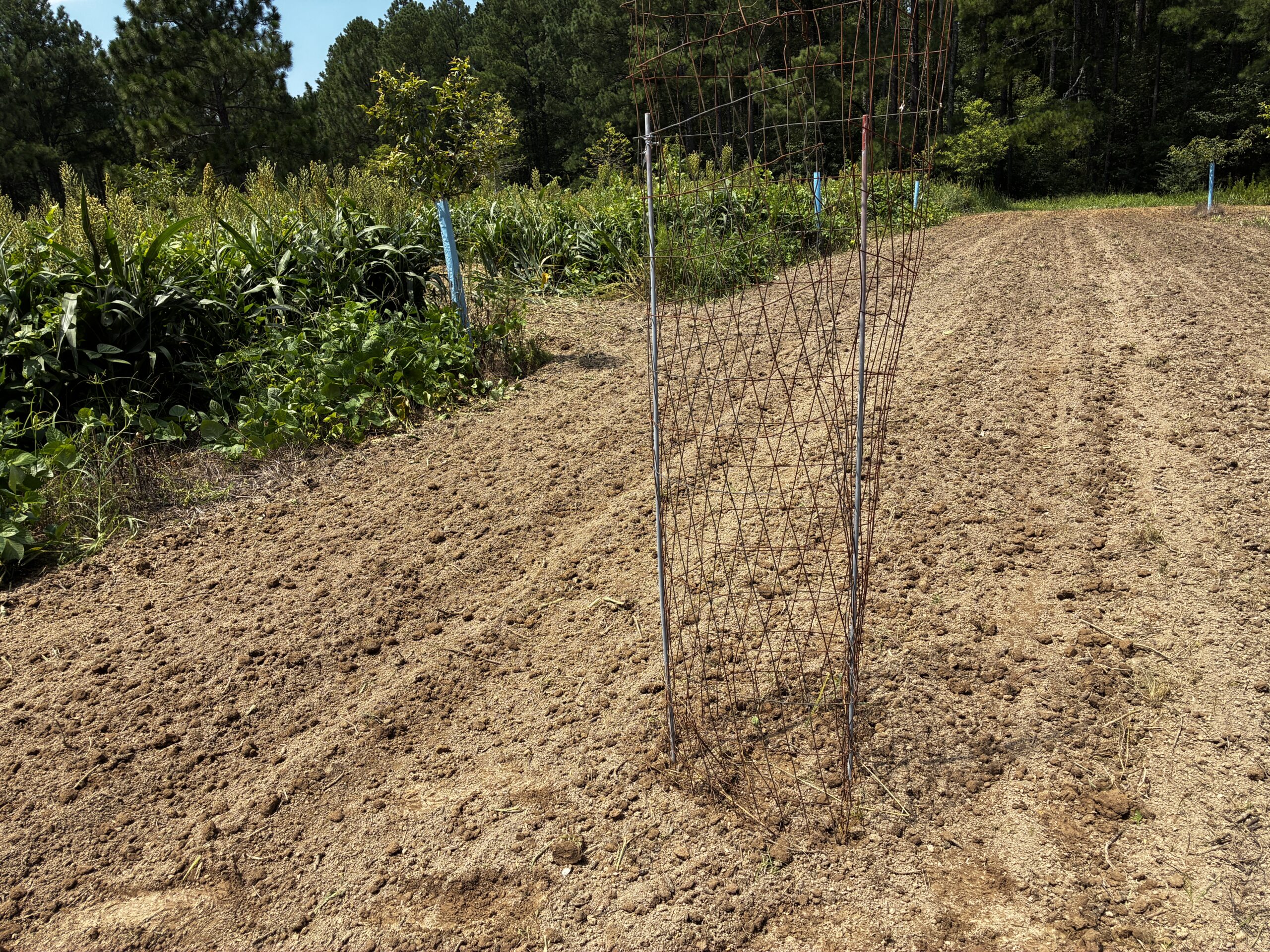
The transition from late summer to early autumn is a critical window for wildlife managers and hunting enthusiasts alike. Preparing the land now ensures a thriving habitat during the lean winter months. Our team has officially kicked off the planting process for this year’s cool-season wildlife food plot, laying the foundation for a highly productive, diverse forage site that will attract and sustain local wildlife.
Prepping the Soil and Maximizing Warm-Season Holds
A successful food plot relies entirely on strategic preparation and timing. We began the process by mowing the designated acreage to knock down competing weeds and manage the existing vegetation. Following the mow, a targeted herbicide application was used to clean up aggressive weeds and clear out optimal planting zones.
Instead of starting from scratch across the entire acreage, we preserved the high-performing sections of our warm-season plots. Areas holding strong stands of grain sorghum, cowpeas, soybeans, and sunflowers were left untouched. This provides immediate, high-protein nutrition and cover for deer and game birds while the new cool-season crop establishes.
In the open sections of the field where warm-season plants were absent, we immediately spread a balanced triple 13 (13-13-13) fertilizer. This fast-acting nutrient boost gives the soil the exact baseline it needs for rapid root development. Right after fertilizing, these specific zones were thoroughly rototilled to create a clean, nutrient-rich seedbed.
A Dual-Layer Seeding Strategy for Oats and Brassicas
To maximize germination, we utilized a two-step planting method tailored to seed size:
- Forage Oats: We broadcasted the large oat seeds across the freshly rototilled soil. Because these seeds require good soil-to-seed contact and a shallow depth to sprout efficiently, we ran a heavy drag harrow over the area. This process successfully buried the oats just below the surface.
- Brassica Mix: Immediately after dragging, we broadcasted our specialized brassica mix. Brassica seeds are tiny and can easily fail to germinate if buried too deeply. By leaving them completely on the surface, they can settle naturally into the loose dirt with the next rainfall, ensuring a high survival rate.
This combination creates a multi-tier forage system. The oats will shoot up quickly to provide highly palatable, tender green shoots in the early autumn. Meanwhile, the brassicas will focus on leafy growth, converting starch into sweet, frost-matured sugars that deer crave during the coldest months of the year. The final step was to install the exclusion cage, which is a valuable tool to help evaluate browsing pressure, seed growth and which plant species the wildlife prefer.


Looking Ahead to October
The work does not stop here. We have intentionally left a portion of the plot open for a final, late-season planting phase. In October, we will introduce a robust mix of crimson clover, red clover, and winter wheat into the remaining plot area.
The winter wheat will offer excellent cold-hardiness and early-season grazing. Simultaneously, the crimson and red clovers will establish strong root systems through the winter, fixing vital nitrogen into the soil. This late-season addition ensures that our food plot remains a highly sought-after destination for wildlife from the opening day of hunting season all the way through the tough transition into early spring.