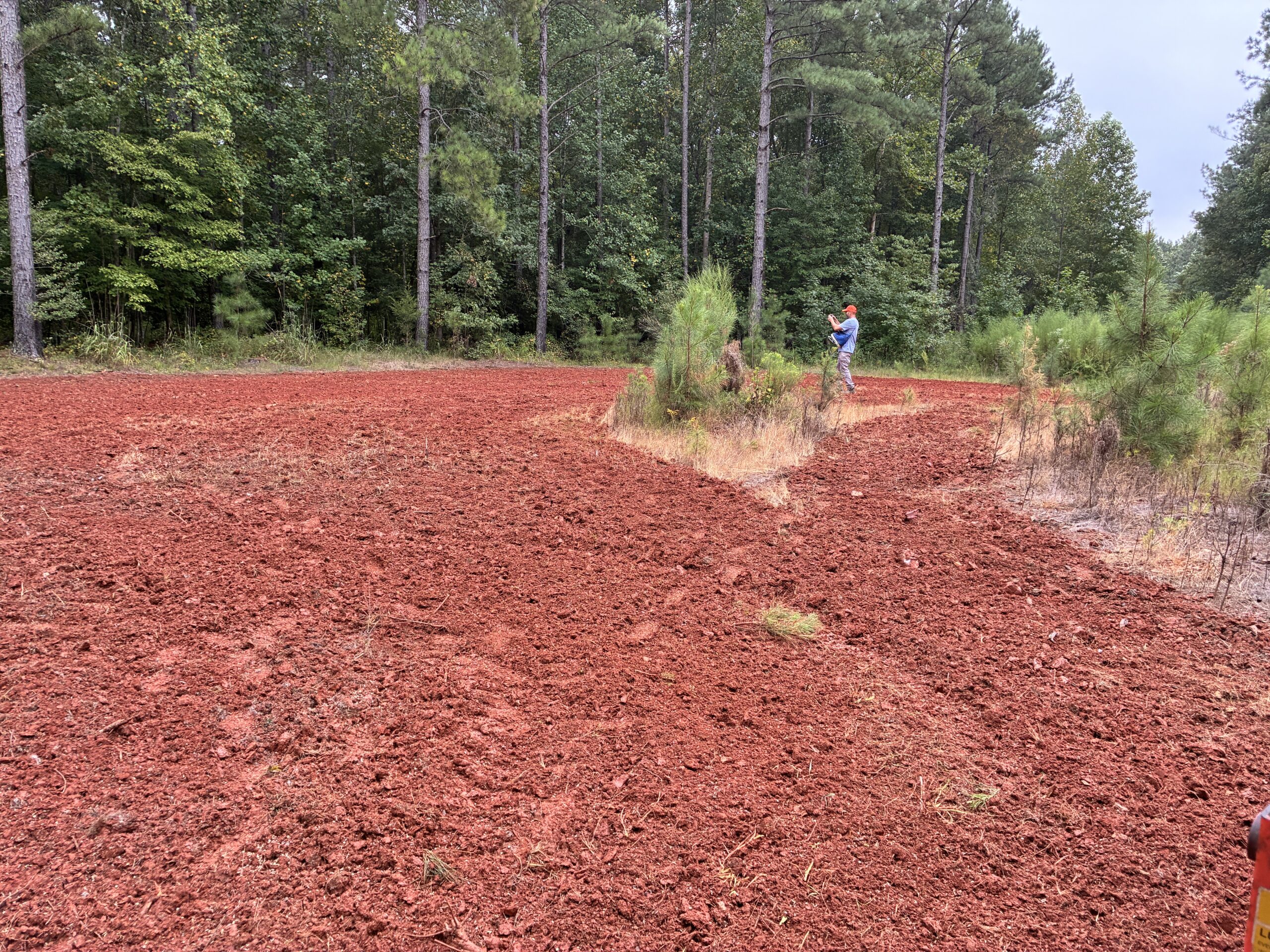
The sun sets on a beautiful day of hard work, and the fields that were once fallow now hold the promise of a vibrant future. All of us at the New Hill Hunter Education and Mentoring Program are incredibly proud of the work put in by our dedicated members to establish two new food plots on our available properties. This initiative is more than just planting seeds; it’s an investment in sustainable wildlife management, a valuable educational opportunity, and a testament to the shared passion of our community.
The process began with a crucial first step: understanding the soil itself. We collected soil samples from both sites, sending them off for analysis by the North Carolina Agronomic Services Lab in Raleigh by simply turning in soil samples to our local NC Cooperative Extension Office. This analysis provides a precise reading on the pH and nutrient levels, both key to optimizing crop yield and an important step in protecting natural resources from excessive nutrient application. Armed with this data, we were able to begin customizing our plan for the best possible results. We applied pelletized lime to the plots at recommended rates to adjust the soil’s pH to the optimal level for our chosen seed mix now. Correcting pH ensures that the plants can efficiently absorb the necessary nutrients, leading to robust growth. (The sooner you can get pH corrected, the better, as adjusting pH takes time, but lasts for years.) We will apply fertilizer at recommended rates after seed germination.
- Learn how to test your soil in North Carolina: Agronomic Services- Soil Testing for Homeowners | NC Agriculture . Free to homeowners and land managers cultivating plots of one acre or less per plot from April 1 to November 27 (currently $4 per sample in peak season: Nov 28 through March 31). Lime and Fertilizer recommendations are given in pounds per-1,000 square feet:
Next, we used broad-spectrum herbicide to clear the existing vegetation, creating a clean slate for the new crops and minimize competition from weeds. Always follow manufacturer application rates. Consider using selective herbicides if you only need to reduce specific types of weeds.
With the soil prepared, the real work began. Our members tilled the sites, breaking up the soil and creating a perfect seedbed. The cool-season All Out Fall Feast blend seed, generously provided by our partners at Carolina All Out, was then broadcast across the plots. To ensure excellent seed-to-soil contact—a critical factor for germination—we carefully dragged the plots. This step gently presses the seeds into the soil, protecting them from birds and ensuring they have the moisture they need to sprout.
Looking ahead, we are excited to see the impact of our work. To better understand the effects of our efforts, we will be installing exclusion cages within the plots. These small, fenced-off areas will prevent wildlife from feeding, allowing us to compare the unbrowsed vegetation inside the cage with the plants in the rest of the plot. This simple but effective technique will give us valuable data on browsing pressure, helping us to gauge the health and density of the local herd and inform future management decisions.
Beyond the immediate benefits of the food plots, we are also playing the long game for our local wildlife. In one of the fields we planted willow oak and sawtooth oak seedlings and native Chickasaw plum, a strategic move to create a long-term mast production area and providing cover, essential to fawn recruitment. While these trees and shrubs will take several years to mature, but they will provide a consistent and high-quality food source for deer, turkey, and other animals for years to come. This initiative is a core part of our mission: teaching our mentees that true conservation requires patience, foresight, and a commitment to habitat improvement that lasts for generations.
The work done on these food plots is a prime example of the dedication and collaborative spirit that define the New Hill Hunter Education and Mentoring Program. Our members have gone above and beyond, transforming fallow fields into thriving wildlife areas. This hands-on experience is a powerful lesson for our new hunters, teaching them that hunting is not just about the harvest, but about the stewardship and care of our natural resources. A sincere thank you to every member and partner who contributed their time, energy, and resources to this important project. We can’t wait to watch these plots—and our conservation efforts—grow.
Guy Gardner,
New Hill Hunter Education and Mentoring Program

Soil Testing – a crucial first step

Till and drag soil to improve germination

Herbicide reduces competition

Apply seed at recommended rates

Apply lime at recommended rates

Adding mast-producing trees will feed wildlife for years to come!

We selected a great cool-season mix “All Out Fall Feast” developed by Carolina All Out, distributed through Agri-Supply, Southern States, and others.