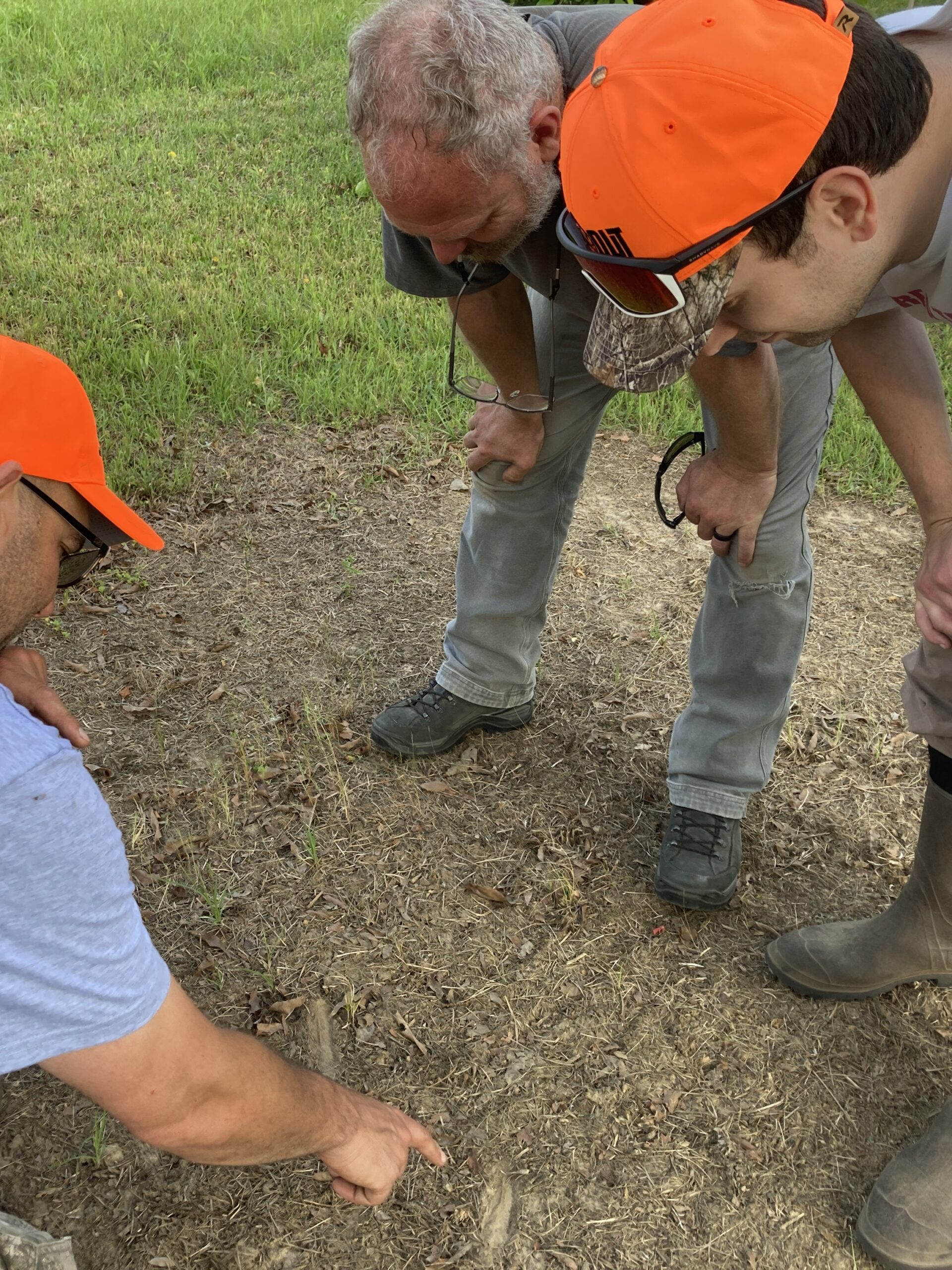
As the echoes of the final gunshots fade and the orange vests are tucked away, many hunters retreat to the warmth of home. But the period immediately following deer season—often called the post‑season—is arguably the most productive time to scout for next year’s success.
Right now, the woods offer a rare level of transparency. By scouting in late winter, you’re essentially studying a blueprint of how deer moved when hunting pressure was at its peak.
Ideal Conditions for Groundwork
Late‑winter scouting offers some of the most comfortable and revealing conditions of the year:
- No bugs: No ticks, mosquitoes, or gnats to distract you.
- Cool temperatures: You can cover miles of rugged terrain without overheating.
- Leaf‑off visibility: With foliage gone, the “skeleton” of the forest is exposed. Funnels, benches, and subtle terrain features that vanish behind summer greenery are now easy to see and interpret.
Decoding Last Season’s Playbook
Although deer may shift slightly toward winter food sources, the evidence of their fall behavior is still fresh and readable.
Rubs
Look for scarred saplings and clusters of rubs. A concentration of them often marks staging areas or preferred travel corridors.
Scrapes
Even if they’re no longer “active,” the bare earth beneath licking branches tells you exactly where bucks paused to communicate during the rut.
Mapping these features now helps you identify the hubs of deer activity—places that will likely heat up again next September.
Multi‑Tasking: Small Game and Shed Hunting
Post‑season scouting doesn’t have to be a grind. It’s a chance to fill the freezer and the trophy room at the same time.
- Small Game: Carry a rimfire rifle or shotgun to take advantage of small game seasons that remain open long after deer season closes.
- Shed Hunting: This is prime time for finding antler sheds. As testosterone levels drop, bucks begin shedding their antlers. Focus on:
- South‑facing slopes
- Bedding thickets
- Fence crossings, creek edges, and other “jump points”
Finding a shed in a specific area is the ultimate confirmation that a buck survived the season—and will be a year older (and bigger) next fall.
Scouting the “Most Dangerous Game”: Other Hunters
One of the most overlooked aspects of post‑season scouting is identifying where other hunters were spending their time. To find the best spots, you must understand the pressure.
Look for:
- Reflective tacks or flagging tape
- Old boot prints in dried mud
- Permanent stands or marks left by climbing stands
If you discover a promising area but see multiple sets of trail markers leading to it, expect competition. Use this time to locate the pockets others ignored—the thick, nasty cover or the distant ridges that most hunters won’t bother with.
The Post‑Season Scouting Gear List
Since you’ll be juggling scouting, shed hunting, and small game opportunities, keep your pack light but versatile:
- Optics: A quality pair of 8×42 binoculars for glassing ridges and thickets from afar.
- “Shed Bag”: A lightweight pack with external bungees or a frame for strapping antlers.
- Marking Tools: Biodegradable flagging tape (used sparingly) for marking trails or climbable trees that don’t show up well on GPS.
- Protection: Brush pants or gaiters for pushing through briars and buck brush.
- Small Game Kit: A lightweight .22 or 20‑gauge shotgun, plus a small game vest.
- Power Bank: Cold weather drains batteries fast—bring a charger to keep your GPS running.
Digital Scouting: Using Hunt Map Apps
Apps like onX Hunt, HuntStand, and Basemap are invaluable during the post‑season. Here’s how to get the most out of them:
1. Layering for Success
Before stepping into the woods, turn on “Recent Imagery” or “Leaf‑Off” layers. These reveal trails, openings, and terrain features normally hidden by summer foliage.
2. Precision Waypoints
Don’t drop generic pins. Build a meaningful map:
- Rubs/Scrapes: Use a dedicated color or icon. A line of pins across a ridge often reveals a buck’s primary travel route.
- Hunter Sign: Mark stands, flagging tape, or access trails with caution or human icons to visualize pressure zones.
- Bedding Areas: Use a bed icon where you find clusters of oval depressions on the leeward side of ridges.
3. Marking Potential Stand Sites
Once you identify a high‑traffic area, use the Line Tool to measure distances. Choose a tree 20–25 yards downwind of a major trail intersection.
- “Future Stand” Pin: Mark the exact tree and add notes about wind direction and the type of stand (climber, hang‑on, or saddle) that fits best.
Track Your Path
Keep your tracker running. It ensures you don’t miss corners of the property and helps you review your coverage later.