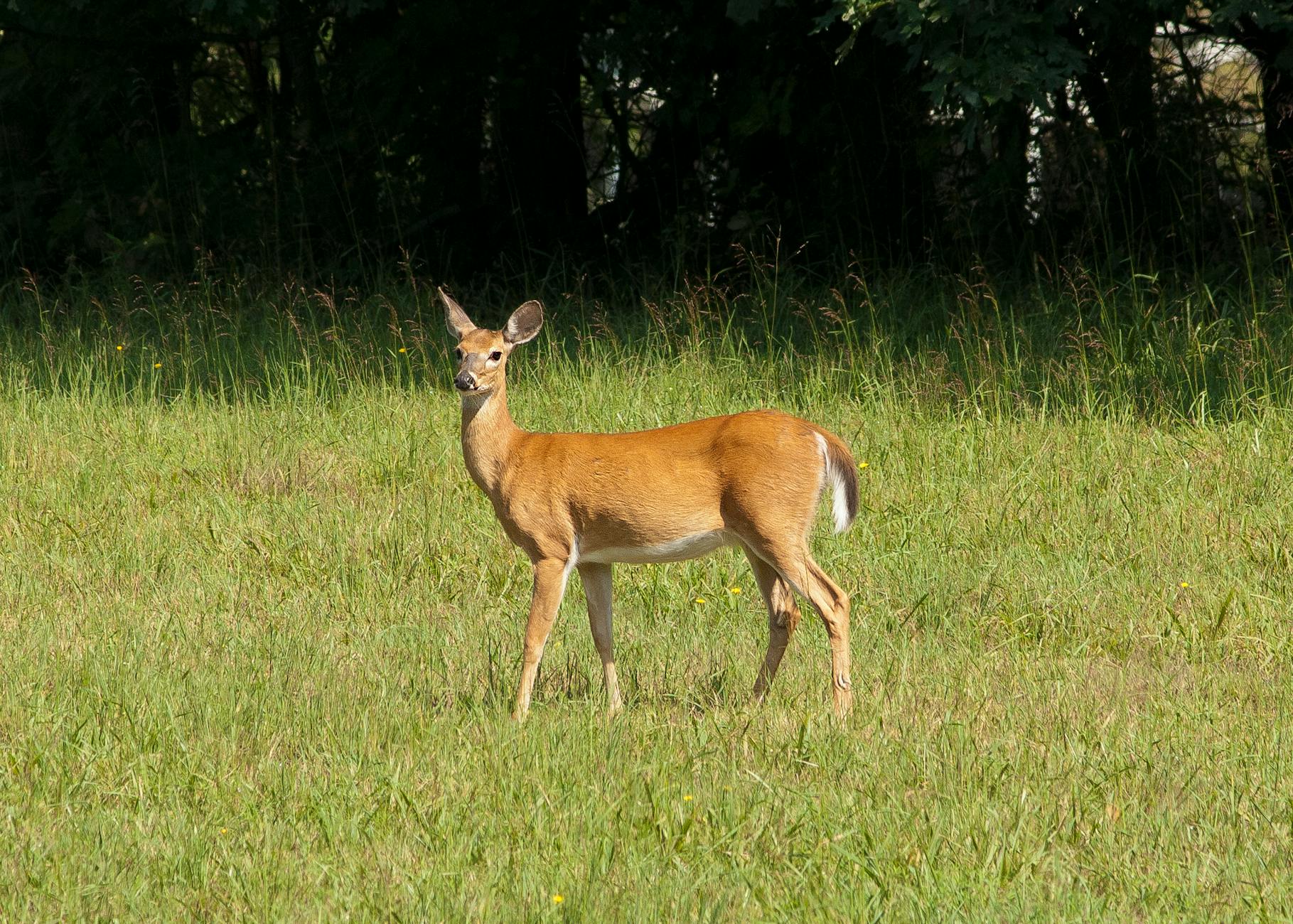
The peak of winter offers a premier opportunity for hunters to gain a tactical edge. While many outdoorsmen are content to wait for warmer weather, the current conditions provide a unique window for “post-season” scouting that is often more productive than the frantic weeks leading up to opening day. Scouting now allows you to dissect the woods when they are most transparent, uncovering the secrets of your favorite hunting grounds for deer, turkey, and small game.
The Deer Hunting Blueprint
Winter is the best time to build a master map for the upcoming deer season. With the leaves gone and the undergrowth flattened, the landscape’s “bones” are exposed. This enhanced visibility makes it easy to identify permanent features like funnels, pinch points, and old rubs that were hidden by summer foliage.
If you are scouting in regions with snow, you have a live-action blueprint of deer movement. Hoofprints clearly mark active travel corridors, and the indentations left in the snow or frosted grass reveal exactly where deer are bedding to stay warm. Scouting now also lets you explore “sanctuaries”—thick areas you would never enter during the season for fear of spooking a big buck. In January, you can tramp through these areas to understand exactly how deer use them for security without worrying about ruining a hunt.
Tracking Wild Turkey Transitions
While spring turkey season may feel far off, the work starts now. In late winter, turkeys are gathered in large winter flocks, making them much easier to locate and inventory. By glassing fields and checking for scratching in the woods today, you can determine the overall population density in your area.
Look for roosting sites—often large, mature hardwoods near water or sheltered hollows—and note the paths they use to reach feeding areas like grain fields or cow pastures. As the weather warms in March, these flocks will disperse, but knowing their winter core allows you to predict where dominant toms will set up their spring breeding territories.
Small Game and the Shed Treasure Hunt
Scouting doesn’t have to be a chore; it can be paired with active hunting and gathering. Many small game seasons, such as those for squirrels and rabbits, remain open through the winter, providing a perfect excuse to carry a rimfire or shotgun while you scout. Not only does this put meat on the table, but it also hones your woodsmanship and stalking skills in a low-pressure environment.
Simultaneously, the hunt for antler sheds is officially underway. Finding a fresh shed is the ultimate “trail camera” without the batteries—it proves a specific buck survived the season and confirms his winter home range. Note that some states, like Utah, require a 2026 Antler Gathering Ethics Course before you can legally collect sheds, so always check local 2026 regulations and certain public lands do not allow removal of items from the property.
The Comfort Factor: No Bugs, No Heat
Perhaps the greatest advantage of scouting in January 2026 is the environment. You can cover miles of ground without the oppressive heat and humidity of August that often leads to exhaustion and scent-heavy sweat. Even better, the biting insects—mosquitoes, ticks, and gnats—are dormant. You can stand still to glass a ridge or sit on a log to check a map without being swarmed.
This lack of heat also makes it the ideal time for heavy lifting. If you find the perfect tree for a new stand, you can clear shooting lanes and hang the platform now without the risk of heatstroke. By the time the 2026 season arrives, the woods will have settled, and your new setup will be a natural part of the environment, ready for a successful harvest.
By The Wise Guy