Understanding Mast Years and Their Impact on Deer Behavior
If you’ve ever spent a fall season scanning fields and food plots for deer, only to come up empty-handed, you’re not alone. Many hunters and wildlife enthusiasts find themselves puzzled during what’s known as a “mast year”—a season when oak trees produce an unusually large crop of acorns. Despite a stable deer population, sightings can drop dramatically, leaving observers wondering if the animals have vanished. The truth is far more fascinating: deer haven’t disappeared—they’ve simply changed their behavior in response to a natural bounty.
🌳 What Is a Mast Year?
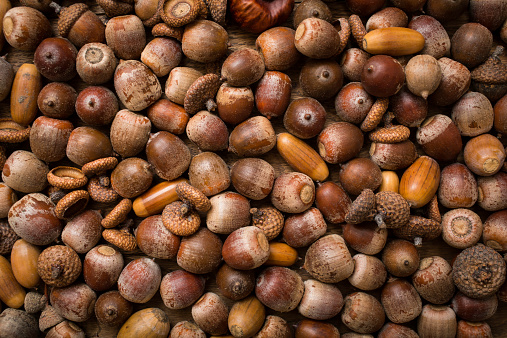
A mast year refers to a season when trees, especially oaks, produce an exceptionally large amount of fruit—in this case, acorns. This phenomenon is part of a natural cycle and can occur every few years, depending on environmental conditions. For deer, acorns are a nutritional jackpot, packed with carbohydrates and fats that help them build energy reserves for winter. When the forest floor is blanketed with acorns, deer no longer need to venture far from their bedding areas to find food.
🦌 A Feast in the Forest
During typical years with fewer acorns, deer must travel from dense woodland bedding areas to open spaces like agricultural fields, food plots, or even suburban gardens. These predictable movements make them easier to spot and track. Hunters often capitalize on this by placing stands along travel corridors or field edges, intercepting deer as they move between food and cover.
But in a mast year, the game changes. With an all-you-can-eat buffet of acorns right under their noses, deer stay tucked away in the timber. They feed close to where they sleep, reducing their need to roam. This shift compresses their activity into smaller, more secure zones deep in the woods—making them much harder to observe.
👀 Why Sightings Drop
The reduced movement means fewer deer are seen in open areas. Fields that were once bustling with activity may now seem eerily quiet. This can lead to the false impression that the local deer population has declined. In reality, the deer are simply enjoying their acorn windfall in the safety of the forest.
This behavior is most noticeable in regions where deer are accustomed to foraging in open terrain. The sudden absence of deer in these areas during a mast year can be startling, but it’s a temporary shift driven by food availability.
🧭 Adapting Your Strategy
For hunters, a mast year demands a strategic pivot. Traditional setups near open feeding areas may no longer yield results. Instead, success lies in moving deeper into the woods and identifying oak trees that are actively dropping acorns. Signs like fresh tracks, droppings, and even the sound of acorns hitting the ground can guide hunters to productive spots.
⏳ The Cycle Will Shift
Fortunately, this change in behavior doesn’t last forever. White oak acorns, which deer prefer, are usually the first to drop and are quickly consumed or begin to germinate. As the season progresses, deer turn to less desirable red oak acorns and eventually resume their usual foraging patterns in open areas. So while a mast year may test your patience, it’s a temporary challenge—and one that offers a deeper appreciation for the intricate relationship between wildlife and their habitat.